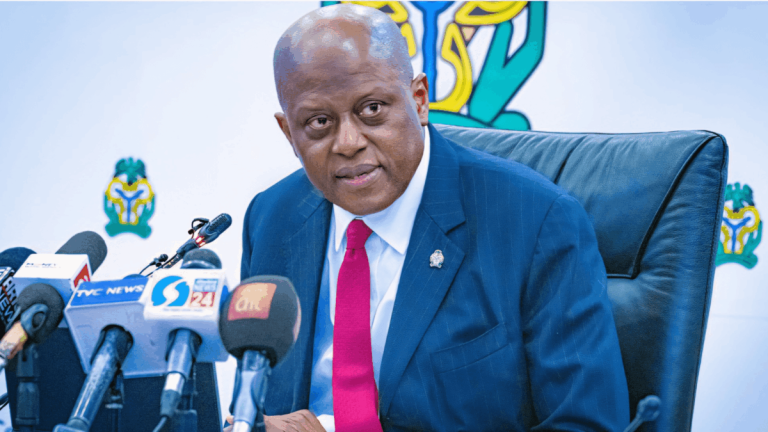
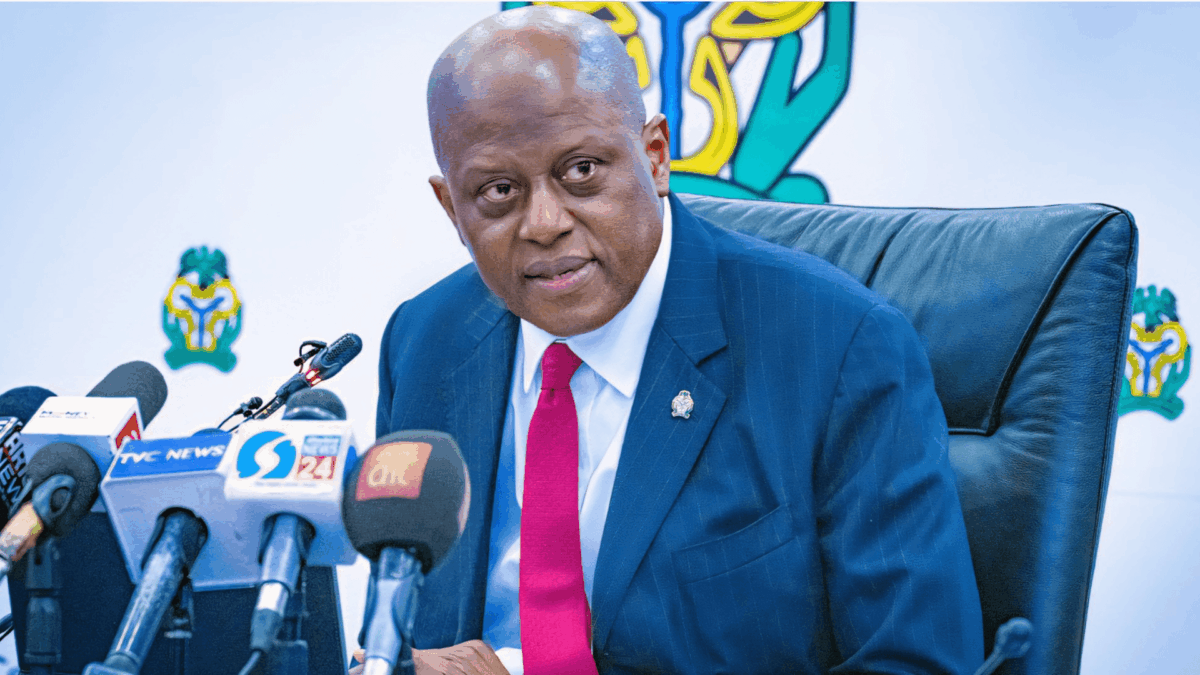
The Central Bank of Nigeria (CBN) kept its benchmark Monetary Policy Rate (MPR) unchanged at 23% on Tuesday, November 24, 2026, at the conclusion of its 308th Monetary Policy Committee (MPC) meeting in Abuja.
Olayemi Cardoso, the CBN Gov., said the MPC noted the moderation in headline inflation for five consecutive months, reflecting the impact of sustained exchange rate stability and improved monetary policy transmission
The governor said the committee retained the Cash Reserve ratio (CRR) at 45percent for deposit money banks and 16 percent for merchant banks, while the CRR on non-Treasury Single Account (TSA) public sector deposits was also retained at 75 percent. Correspondingly, the MPC retained the Liquidity Ratio at 30 percent, while maintaining the asymmetric corridor around the MPR at +50 and -300 basis points.
“In addition, the MPC observed that the anticipated increase in spending from the end of year festive
season and election-related activities could impact aggregate demand with likely upward
pressure on prices,” the CBN governor said.
“Howerever, the committee judged that maintaining the current policy stance is appropriate to safeguard the gains of disinflation so far achieved while remaining data- dependent and vigilant in taking further appropriate measures.”
The CBN governor said the committee expressed confidence that the continued exchange rate stability and improved food supply associated with the harvest season would further strengthen the dis-inflationary process.
DEDUCTION:
Exchange rate stability means the naira’s value against foreign currencies, particularly the US dollar, has become relatively stable. When the naira loses value, imported goods such as fuel, machinery, medicines and electronics become more expensive. A stable exchange rate can help reduce the pressure that import costs place on prices.
However, individuals and businesses may continue to pay high interest rates on loans. This could make it difficult for businesses to expand and for individuals to repay their loans.

About the Author